
The increase in energy costs, the need to reduce emissions and new regulatory requirements regarding sustainability are forcing many companies to review how they manage energy consumption in their buildings and facilities.
For years, energy management has been based primarily on time schedules, fixed setpoints and corrective actions. However, this model is becoming increasingly ineffective in environments where operating conditions are constantly changing.
When systems are unable to adapt to these changes, unnecessary energy consumption, efficiency losses and higher operating costs occur.
Air conditioning, one of the main sources of energy consumption
Within a building, heating, ventilation and air conditioning installations, known as HVAC systems, are usually one of the largest sources of energy consumption.
In certain buildings in the tertiary, logistics, commercial and industrial sectors, HVAC can account for between 40% and 60% of total energy consumption.
Despite this, many installations continue to operate using traditional models based on predefined schedules and static parameters.
For example, a system may start heating or cooling a building at the same time every day, regardless of the outdoor temperature, actual occupancy levels or whether certain areas are going to be used. It may also keep equipment running simultaneously when energy demand does not require it.
One of the main problems with conventional management is the lack of adaptation to the actual operating conditions of buildings.
Many organisations have access to large amounts of information from sensors, meters, HVAC equipment and control systems, but lack the tools needed to interpret this data and turn it into operational decisions.
From conventional control to smart management
In recent years, solutions based on monitoring, automation, data analysis and artificial intelligence have been developed to transform the traditional energy management model.
The aim is not simply to display energy consumption data on a screen. The real value lies in interpreting this information and using it to make decisions.
An energy management platform can analyse, among other parameters: electrical and thermal consumption, equipment performance, alarms and consumption deviations, and the energy demand of each area of a building.
Artificial intelligence plays a significant role in this process, particularly when there is a large volume of data and numerous variables interacting with one another.
One example of this type of solution is SGClima, a platform for the smart management of HVAC systems. The tool enables users to monitor, analyse and act on HVAC systems in real time within a building, centralising information from equipment, sensors and control systems.
SGClima continuously analyses how installations perform and adapts their operation according to energy demand, environmental conditions, schedules and the actual needs of each space. The platform also facilitates consumption visualisation, the monitoring of energy indicators, the detection of deviations and the generation of alerts in the event of potential anomalies.
The implementation of smart HVAC solutions can generate energy savings of between 15% and 30%, depending on the initial condition and characteristics of each installation, and may even exceed these figures in certain projects. Their main benefits include:
Reduced operating costs
Improved comfort
Less corrective maintenance
Greater control over installations
Reduced emissions
Support for regulatory compliance
This ability to measure, compare and correct turns energy management into a process of continuous improvement. Smart HVAC is becoming established as one of the most effective ways to improve the energy efficiency of buildings.
Its implementation makes it possible to transform installations that have traditionally been difficult to control into systems capable of adapting to the actual activities of companies.
The combination of data, automation and artificial intelligence makes it possible to reduce consumption, improve comfort, anticipate incidents and achieve greater control.
Solutions such as SGClima demonstrate how digitalisation can turn HVAC, one of the main energy expenses in many buildings, into a clear opportunity for optimisation, savings and sustainability
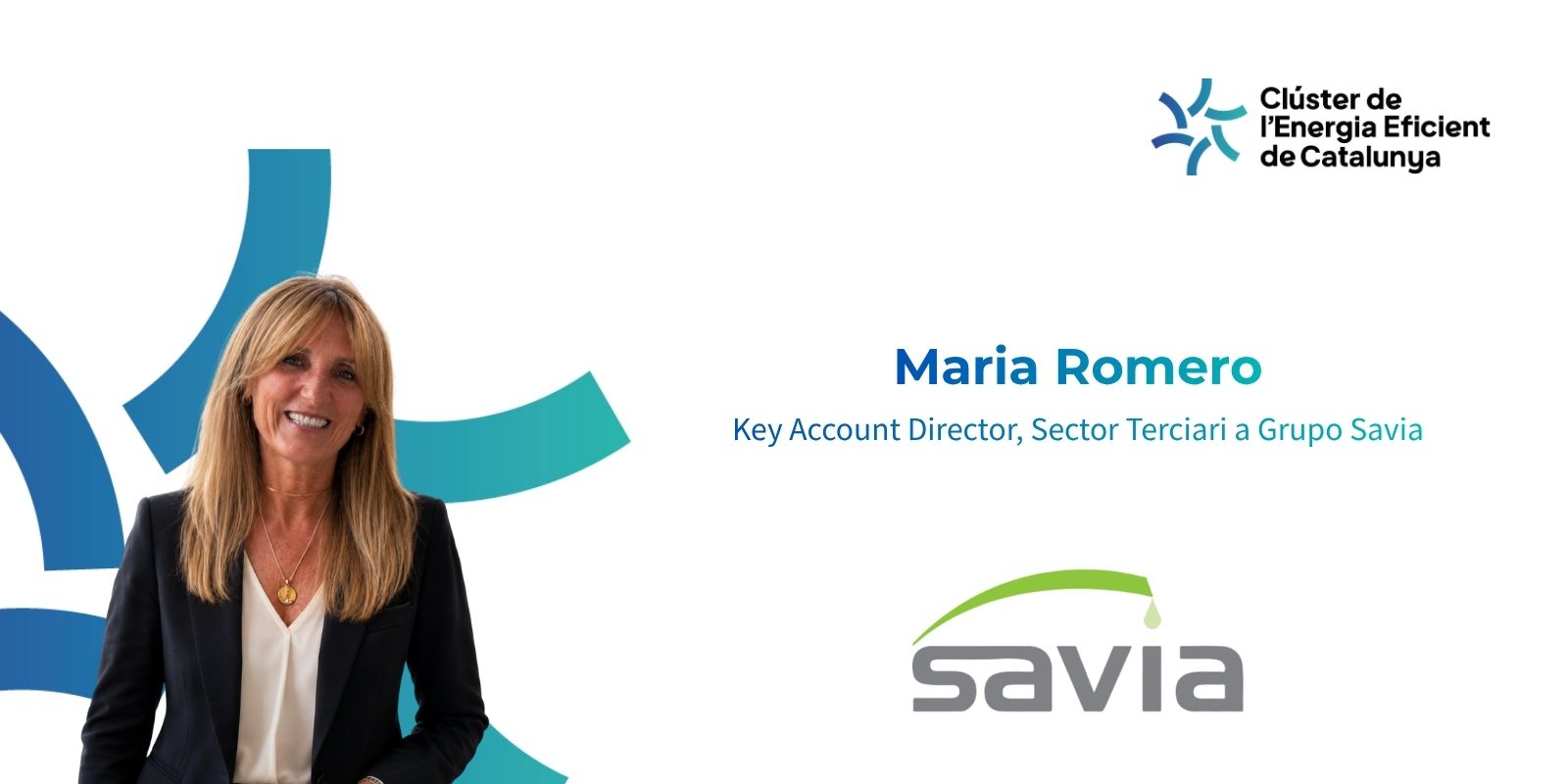
Maria Romero - Key Account Director, Tertiary Sector at Grupo Savia.

_20231114162600.png)

